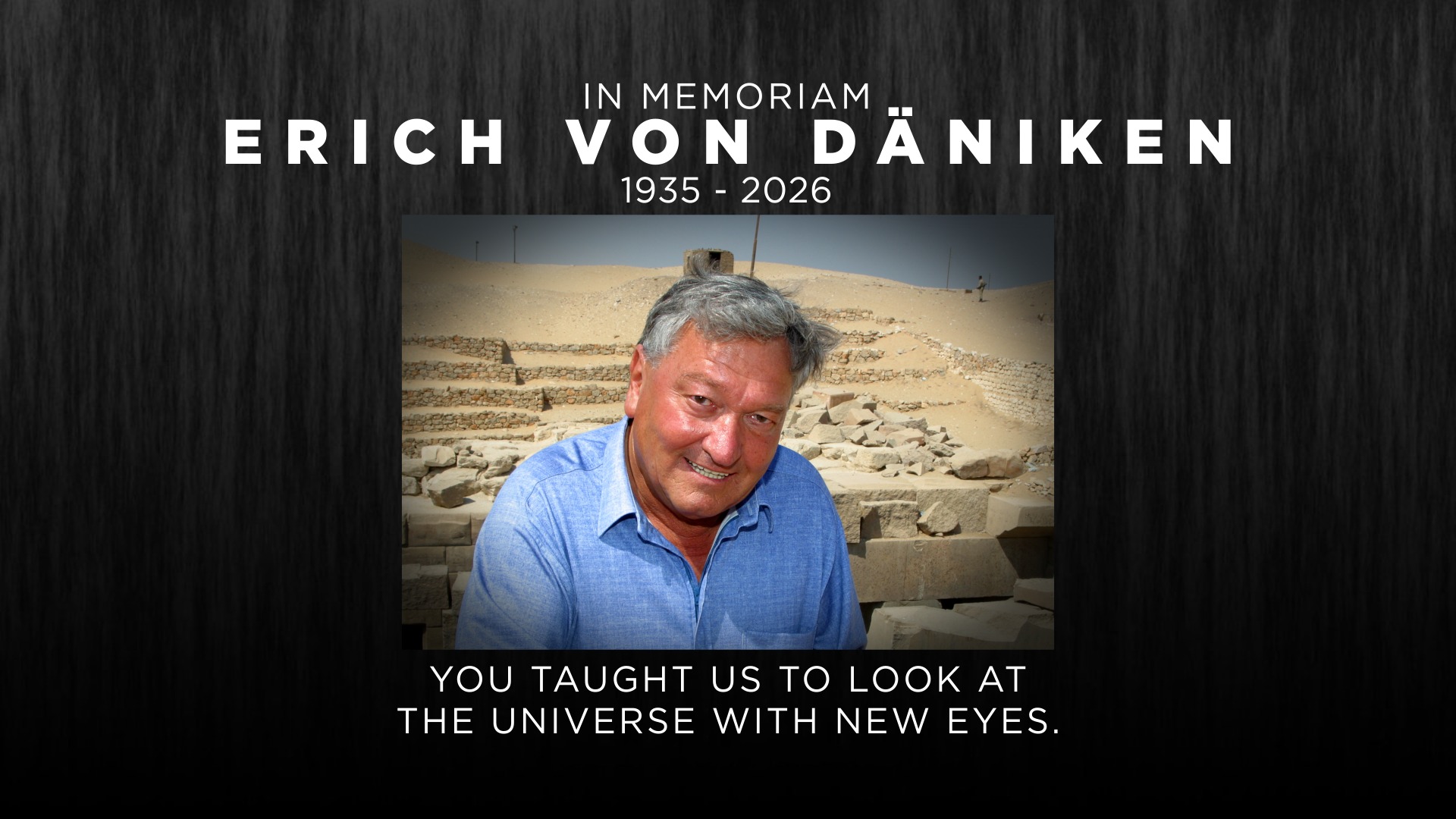
In memory of Erich von Däniken, who we just lost this past January 10th, I decided to put together a list of my favourite episodes of Ancient Aliens. It’s one of my favourite shows, I tend to put it on to fall asleep to, or if my brain is not up to watching anything else. Now I haven’t seen every single episode, in fact I’ve missed a lot of the latest seasons, so there might be ones I’ve missed that I’d really love. Hopefully they’ll put out a box set once the show is done. I don’t really believe any of this stuff, but you can’t deny the effect that Däniken, and the show, has had on pop culture. Rest well, Erich. I hope you’re with your ancient astronauts now. (Side note, this is taking longer than I expected, so I’m separating it into two posts.)
Number 15
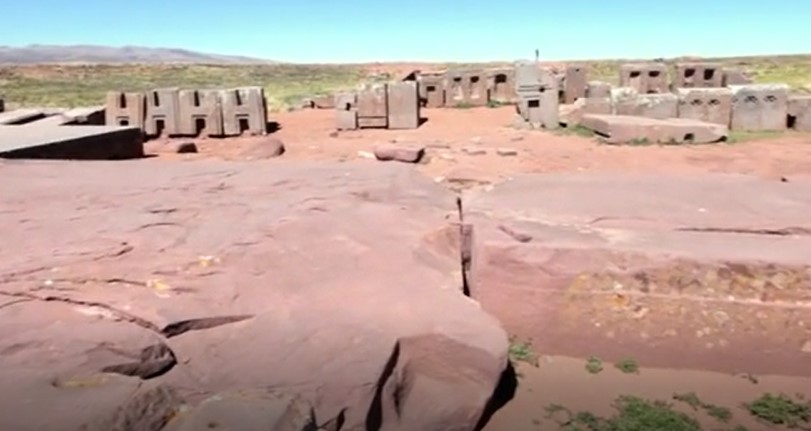
Title: The Mystery of Puma Punku
Season: 4, episode 6
Who they talk to: David Childress, Hugh Newman, Philip Coppens, Brien Foerster, Giorgio A Tsoukalos, Christopher Dunn, Paul Goldstein PhD, Erich von Däniken, George Noory
What they discuss: Puma Punku (duh). But seriously, they discuss how complex and flawless the stonework is, positing that primitive man could never have made the type of cuts found on the site. They also make a comparison of the stone from Puma Punku to stone that has been sawed and stone that’s been laser cut. They discuss the creator god Viracocha, who’s depicted in carvings at nearby Tiahuanaco, and how it looks like the site was destroyed by a giant cataclysm.
Notes: The show says the stones used were andesite, diorite, and granite, but in reality, it was andesite and red sandstone, which is actually much softer. Andesite, however, is still incredibly hard, so search me as to how they actually did it way back then.
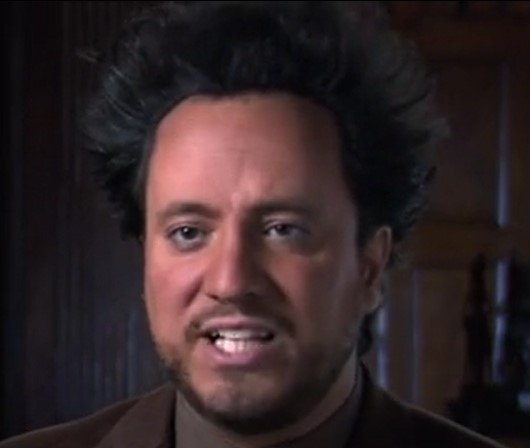
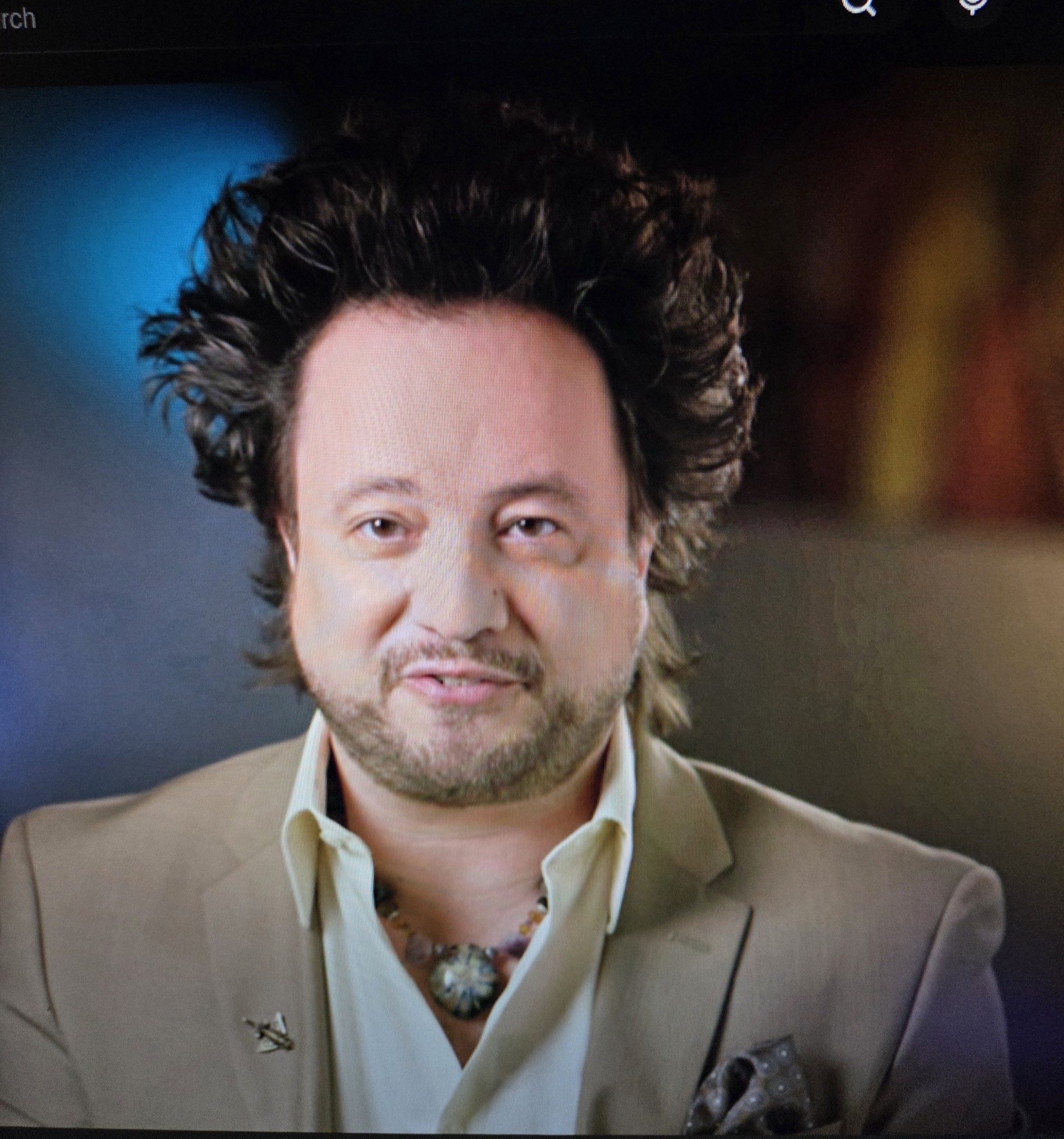
Giorgio’s hair:
Number 14
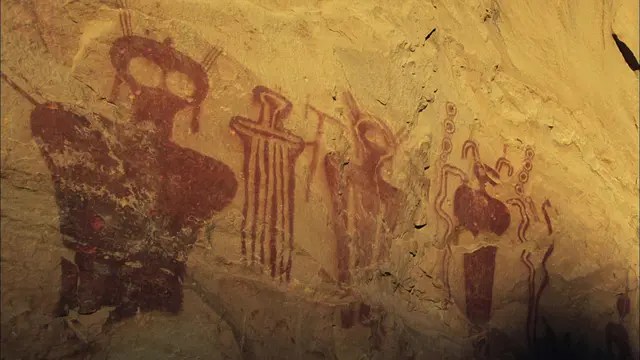
Title: The Evidence
Season: 1, episode 1
Who they talk to: Philip Coppens, Giorgio A Tsoukalos, Dr Uwe Apel, Dr Algund Eenboom, Graham Hancock, Robert Bauval, Robert H Frisbee PhD, Michael Cremo, Dr Steven M Greer, David Childress, Jonathan Young PhD, Roger Hopkins
What they discuss: A wooden figure found in a tomb in Egypt of what is called the Saqqara bird, and how it’s incredibly aerodynamic. 1500-year-old peoples in Columbia called the Tolima made golden figures of animals, of which a few dozen look eerily like aircraft. They show how they made a model of one of these figures and it actually flew. The Vimanas, what they say are aircraft described in the ancient Indian Sanskrit texts. The Nazca lines and wondering what they were for. Runways, perhaps? The Bible’s book of Ezekiel, and what the object he saw really was. Ancient Egyptian tools, and how they couldn’t have been primitive. They talk to a professional stone sculptor who seems baffled by some of the ancient stonework, saying that, yes, it’s possible, but incredibly hard, and why do something the hardest way possible? He admits that he would have trouble replicating the blocks from Puma Punku, even with his modern machines. Explaining what the manna that sustained the Israelites while in the desert from the Bible was. Maybe it came from a nuclear-driven device that was housed in the Ark of the Covenant. What were the pyramids really for? Maybe some kind of power plant?
Notes: I keep feeling that the OG episode should really be higher on my list, but there are so many great ones coming that I really couldn’t place it higher.
Giorgio’s hair:
Number 13
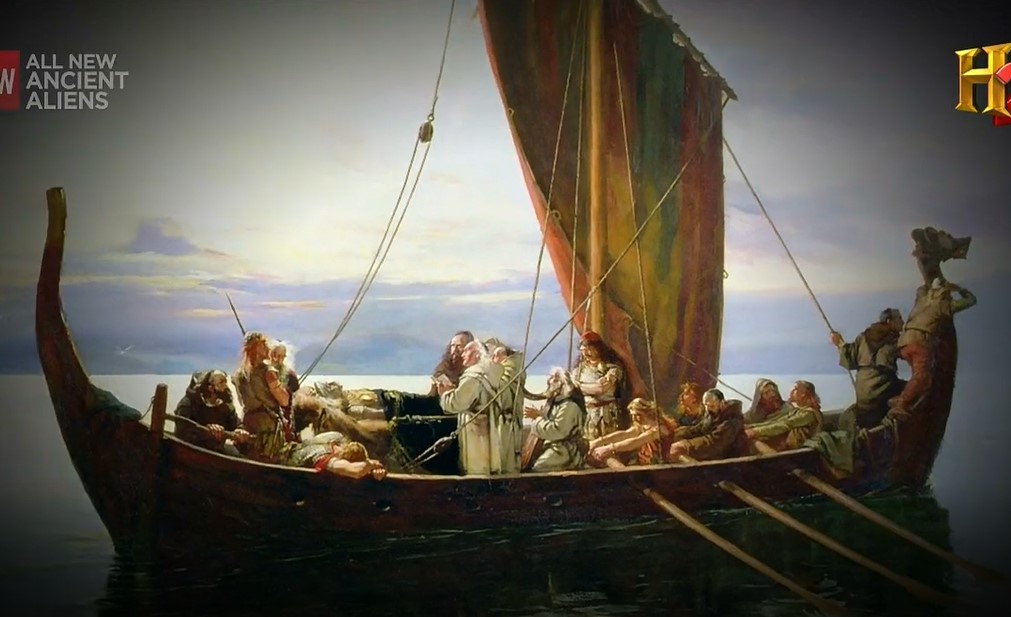
Title: The Viking Gods
Season: 5, episode 11
Who they talk to: Timothy R Tangherlini PhD, Kirsten Wolf PhD, Jonathan Young PhD, Scott A Mellor PhD, Robert Schoch PhD, Dr Karl EH Seigfried, Giorgio A Tsoukalos, Jason Martell, Philip Coppens, William Henry, David Childress, Michael Dennin PhD, Peter H Schultz PhD
What they discuss: How the Vikings were a lot more than the stories lead us to believe. They were traders and travelers more than they were raiders. They made it to the new world centuries before the Europeans. Their shipbuilding skills were almost unmatched. An attack on Lindisfarne seemed to be enhanced by otherworldly occurrences. The origin of the gods and the 9 worlds of their realm. About Odin and his weapons that sound like futuristic weapons. Are his ravens Huginn and Muninn spy satellites? About Thor and his weapons. Is his magic belt of strength, Megingjord, some kind of exoskeleton? About Freyr and his ship, Skidbladnir, gifted to him by Loki, perhaps a space craft? The Sons of Ivaldi, the beings who crafted the weapons that the gods used. The Rainbow Bridge, Bifrost. Is it a wormhole? A professor demonstrates a device that propels a marble with kinetic energy, and it almost disintegrates a stone block. Could Thor’s hammer, Mjolnir, have been a weapon of kinetic energy? The Viking burial rituals. Was Valhalla a space station?
Notes: Ancient history has always been my bag, and the Vikings and their mythology have always fascinated me.
Giorgio’s hair:
Number 12
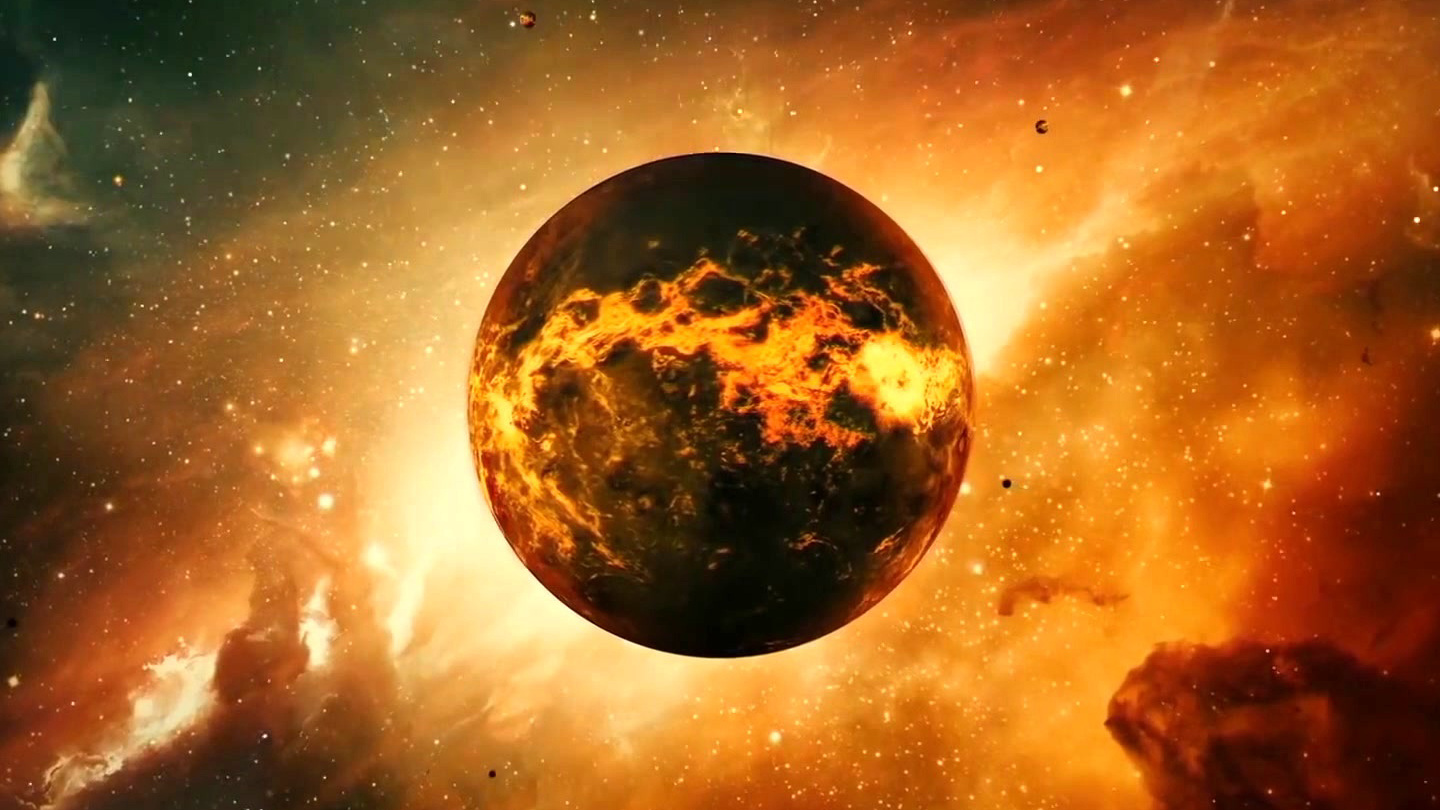
Title: Secrets of the Exoplanets
Season: 14, episode 22
Who they talk to: Michael Summers PhD, William Henry, Michael Dennin PhD, Amy Shira Teitel, Michio Kaku PhD, Giorgio A Tsoukalos, Jason Martell, Jonathan Young PhD, David Childress, Joel Sercel PhD, Bill Birnes PhD, Nick Pope
What they discuss: The launching of survey satellite TESS, and how it works. Giordano Bruno, and how he was burned at the stake in Rome for saying that there were aliens on other planets. The first exoplanet was found in 1992. Explaining the transit method of looking for exoplanets. The sheer number of planets in the universe, and how there must be life on some of them. Proxima B, the planet found around the star closest to us, Proxima Centauri. Breakthrough Starshot, the program that wants to send tiny probes to Proxima B. Albert Einstein’s theory of relativity, and how it makes possible wormholes. How ancient structures are aligned to the constellation Orion, like the pyramids of Giza, and how a lot of ancient cultures say their gods came from Orion, Sirius, or the Pleiades. Zechariah Sitchin’s theory that there’s a planet in our own solar system, Nibiru, with alien life, the Anunnaki. There may actually be a planet way out there, called Planet X, according to two astrophysicists from CalTech. Asteroid mining. Did aliens come to our planet for resources? What life forms on other planets could theoretically look like, depending on the size of the planet and its star. Visitors from water worlds would have amphibious features.
Notes: I love anything that has to do with looking for and finding exoplanets. And now that the James Webb Space Telescope is actually up there, it’s even more exciting!
Giorgio’s hair:
Number 11
Title: Angels and Aliens
Season: 2, episode 7
Who they talk to: Fr William J Fulco PhD, Philip Coppens, Giorgio A Tsoukalos, Bill Birnes PhD, George Noory, Erich von Däniken, Thomas E Bullard PhD, David Wilcock, Linda Moulton Howe, Rev Michael JS Carter, Michael Cremo, Richard Rader, Jason Martell, Michael Dennin PhD, Jonathan Young PhD, LA Marzulli
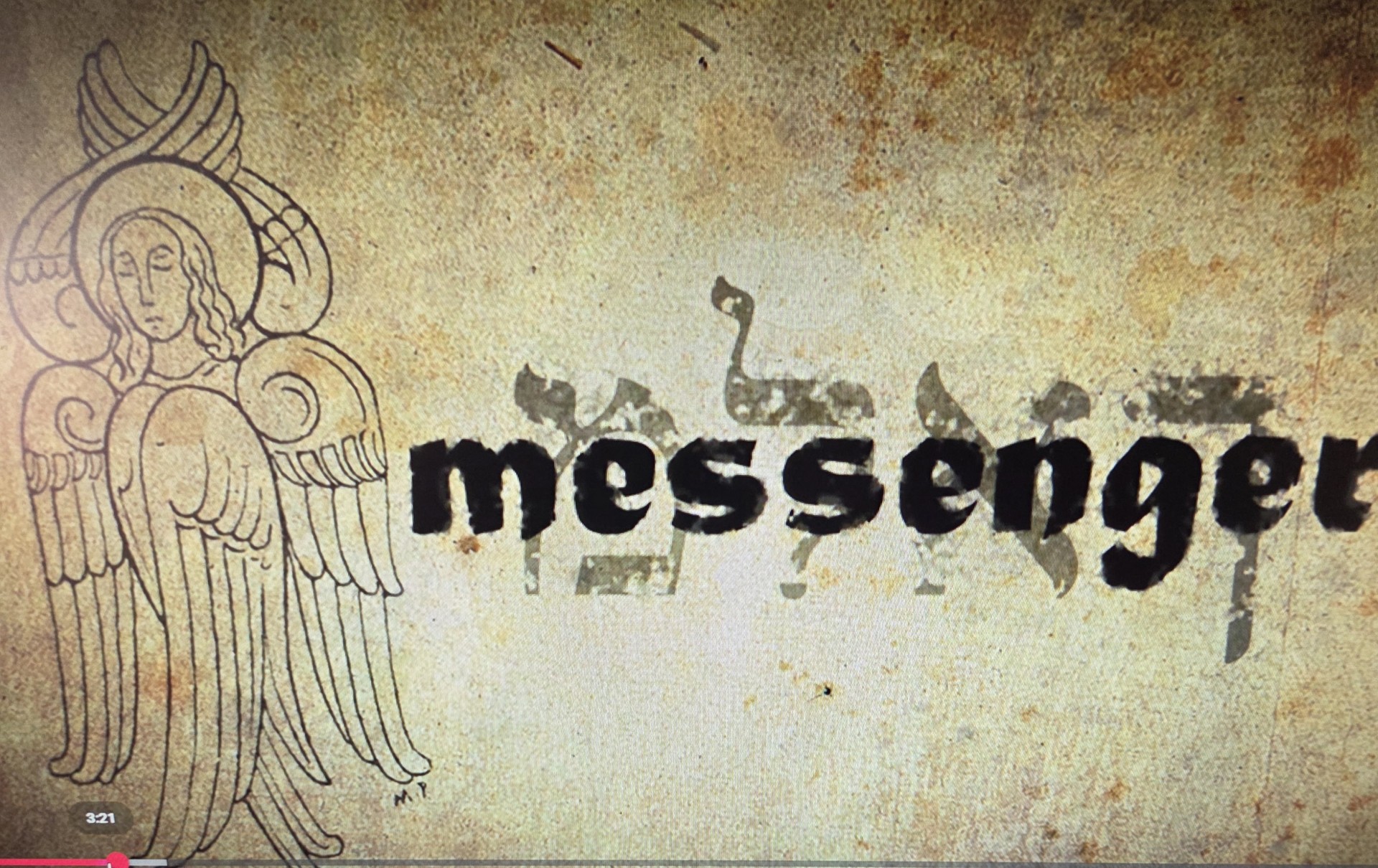
What they discuss: What are angels? They are found in every ancient culture, not just Christianity. They are otherworldly creatures who’s name in other languages translates to “messenger” or “intermediary”. Was the war between angels and fallen angels some kind of extraterrestrial mutiny? In the Book of Enoch, the angels wanted to marry human women, and they produced offspring called the Nephilim. Two angels went to warn Lot in the Bible and the Quran that the city will be destroyed, and he needs to take his family and leave. Were these angels extraterrestrials who were taking sides in a war? The debate between scholars about the fallen angels. 55% of American adults believe they have a guardian angel. What could they be? The story of Peter, who was helped by an angel to escape imprisonment then disappeared. Was this an extraterrestrial? Do they want to help humanity? Where does the concept of angels having wings come from? Was it just ancient man’s way of depicting the fact that they could fly, maybe in some kind of jet pack or a craft? A humanoid with wings centered on their backs would not be able to actually fly. How an angel would never have asked Abraham to kill his son. But a wicked extraterrestrial might. The Djinn and where they might have come from. Was the “genie in a bottle” actually some sort of hologram? History is full of people who claim to have been influenced by otherworldly forces to do the things they do.
Notes: I love all kinds of mythology, so it’s no surprise to see this on the list. I’m a sucker for all kinds of documentaries about history, mythology, folklore, and religion, which is what drew me to this show in the first place. Because, along with all the crazy, there is a lot of those things.
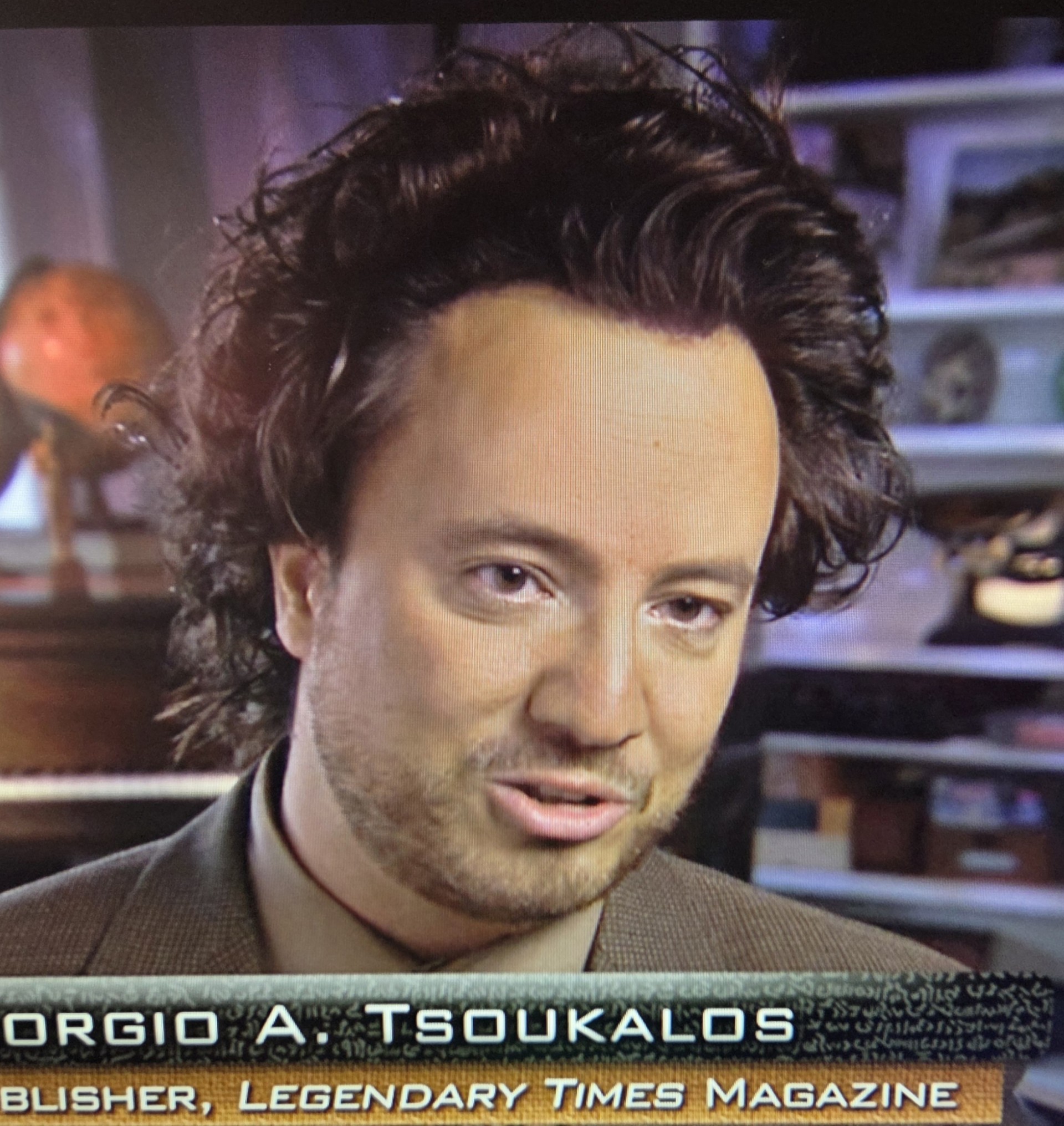
Giorgio’s hair:
Number 10
Title: Aliens and Lost Worlds
Season: 3, episode 8
Who they talk to: Payson Sheets PhD, David Cheetham PhD, Philip Coppens, Adrian Gilbert, Giorgio A Tsoukalos, David Childress, Erich von Däniken, Jon C Lohse PhD, Donald Sanders PhD, Jason Martell, Giuseppe Orefici PhD, Brien Foerster, Jorge Luis Delgado Mamani, Chris Stevenson PhD, George Noory, Charles Love PhD, Robert Mullins PhD, Juris Zarins PhD, Graham Hancock
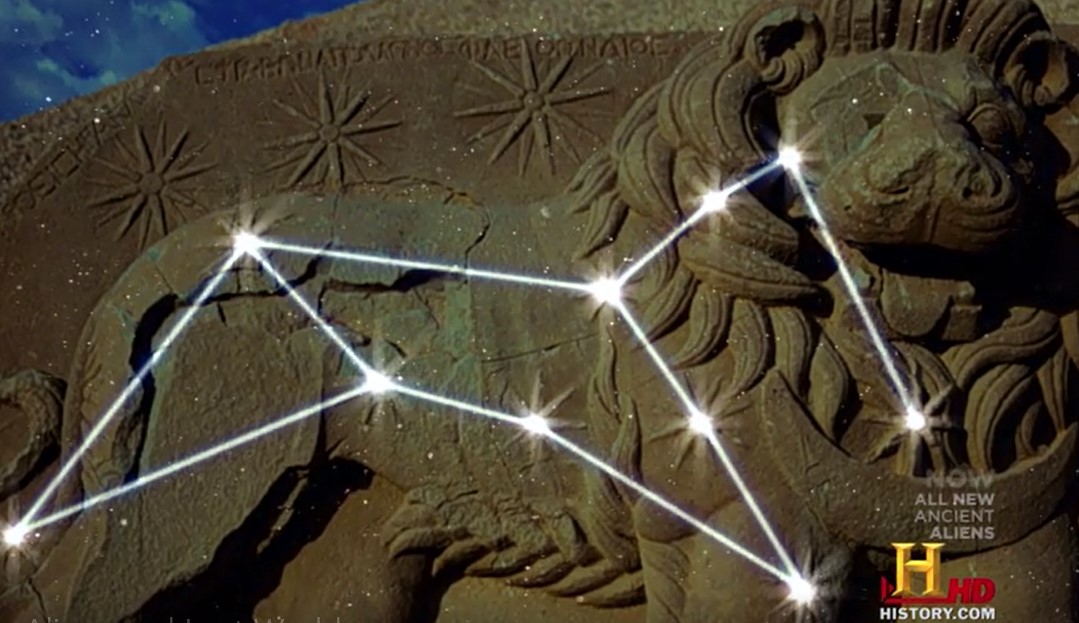
What they discuss: Copan, one of the cultural hubs of the Mayan people. It was abandoned in the 9th century AD, and its people seem to have vanished. Would their carvings and statues they left behind depict proof that they were contacted by extraterrestrials? The theory that the Mayans have had contact with people on the other side of the world. The depiction of the gods flying down from the heavens in flying serpents. Were the Mayan rulers descendants of extraterrestrials? The ancient ruins of Commagene, in Turkey, built by King Antiochus I, merging Greek and Persian gods. The remarkable knowledge that they had about the stars. Was the star of Bethlehem some kind of craft? Were the Magi in possession of some kind of technology? Was Antiochus I a Magi himself? The capital of the Nazca people, Cahuachi. The Nazcan disappeared about 1200 years ago. They drew enormous geoglyphs known as the Nazca Lines. Some believe they could not have made these figures without guidance from above. The legends of the “star people”. The elongated skulls found in the area. Were they alien hybrids? The Moai of Easter Island. The Rapa Nui people were nearly wiped out by the time Dutch explorer Jacob Roggeveen and his crew arrived in 1722. How did this relatively primitive people move these giant statues? Legend says the Moai “walked” into place. Do the “birdman” carvings on the island represent extraterrestrials that visited them? Does the Garden of Eden exist? If so, where could it be? Some believe it’s under the waters of the Persian Gulf. Was mankind engineered by extraterrestrials in Eden?
Notes: Ancient history has always been one of my favourite subjects, so of course I was going to love this one.
Giorgio’s hair:
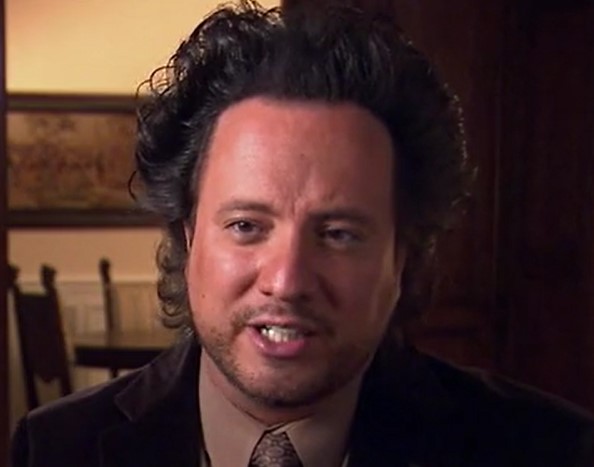
Number 9
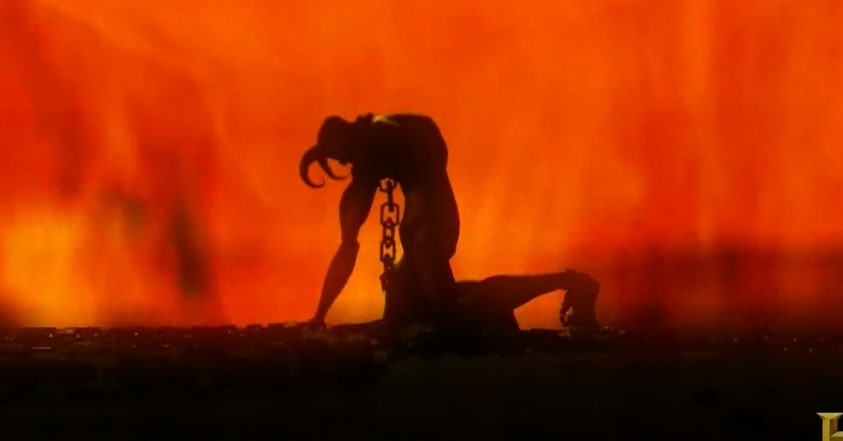
Title: The Satan Conspiracy
Season: 6, episode 5
Who they talk to: Henry Ansgar Kelly PhD, Kathleen McGowan, Rev Bob Larson, Adam Blai, Jonathan Young PhD, Pastor Brett Peterson, Patrick Cooke, Kenneth L Hanson PhD, William Henry, Rev Barry H Downing PhD, Fr William J Fulco PhD, Giorgio A Tsoukalos, Scott Roberts, David Childress, Richard Rader, Erich von Däniken
What they discuss: Satan, the representation of evil on earth. An exorcist believes he can exorcise demons from people who think they’re possessed at a church in Florida. The myths and legends that depict Satan’s origins. The story of Adam and Eve and the serpent. The story of Job, who was tested by Satan with the ok by God. The Watchers from the Book of Enoch. The leader of these Watchers was an angel called Shemihaza. The story is similar to Lucifer’s in that there is a hierarchy of species between us and God. Were these Watchers, these Fallen angels, extraterrestrials that disobeyed their leader in making contact with us, guiding us? If Shemihaza and Lucifer are like beings, could they have been misrepresented all these years? The similarities between these stories and those of the Anunnaki. The similarities between those stories and that of the feathered serpent deity Kukulkan from Mayan mythology. The similarities again with the story of the Greek Prometheus and the Incan Viracocha. Why are all these stories so similar? Were they all based on the same visitors? Demonic possession. The Book of Revelation and the final battle between Satan and God.
Notes: Dark mythology, my favourite kind of mythology. But that Floridian Reverend is so full of shit, I can’t even. And to take advantage of those poor people who clearly need psychiatric help, it’s kinda gross.
Giorgio’s hair:
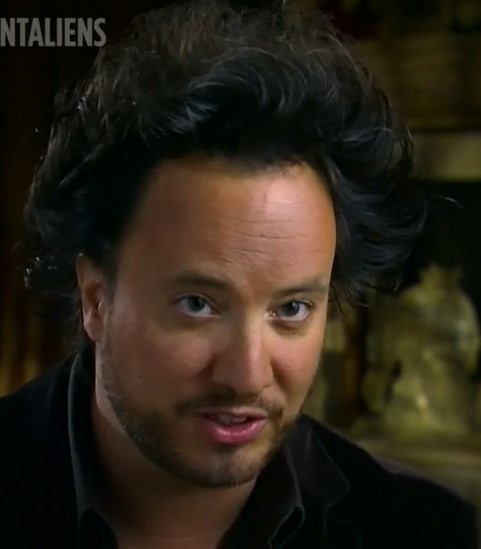
Number 8
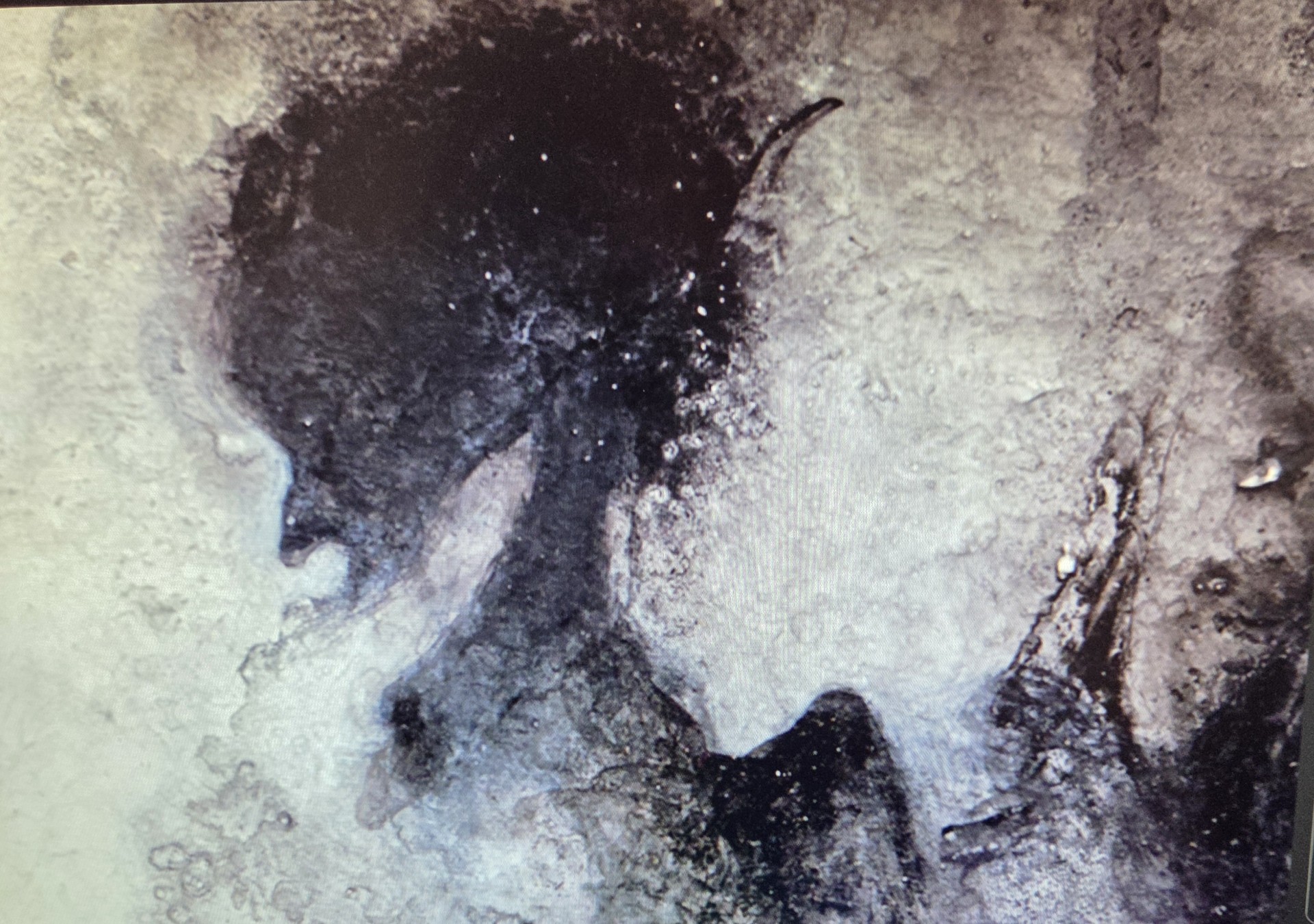
Title: The Shadow People
Season: 18, episode 8
Who they talk to: David Childress, Bill Birnes PhD, William Henry, Jonathan Young PhD, Mike Ricksecker, Paul Christensen, Heidi Hollis, Giorgio A Tsoukalos, Amir Hussain PhD, George Noory, Jason Offutt, Caroline Cory, Linda Moulton Howe, Michio Kaku PhD
What they discuss: The refugees of Laos in 1975. Healthy men dying in their sleep and how they thought it was because they couldn’t do their rituals properly. Describing shadow people as ethereal entities who are dark, opaque, with little to no facial features. A journalist recounts his encounter with the shadow people. Wake up, can’t move, and there’s a dark entity around you. An author describes her experiences with the shadow people, and talks about her book. The difference between shadow people and ghosts. The Choctaw people and their legend of the Nalusa Chito. The Sumerian myth of the Alû. The Djinn in Islamic folklore. So many cultures around the world have the same kind of legends that involved shadow people. Some people report feeling energy emanating from the shadow people. Are shadow beings misunderstood alien technology, like maybe a cloaking technology? The similarities between the shadow people experience and alien abductions. The entity known as the Hat Man. Are the Hat Men the same as the Men in Black? Are shadow people inter-dimensional beings? The effect that DMT has on people. Many of them see the same thing. Does it change your brain to be able to perceive what we can’t normally see?
Notes: Hey, hey you guys… ever heard of sleep paralysis? Yeah, that explains everything. But it’s an episode about ghosty demony stuff, and I’m all over that!
Giorgio’s hair:
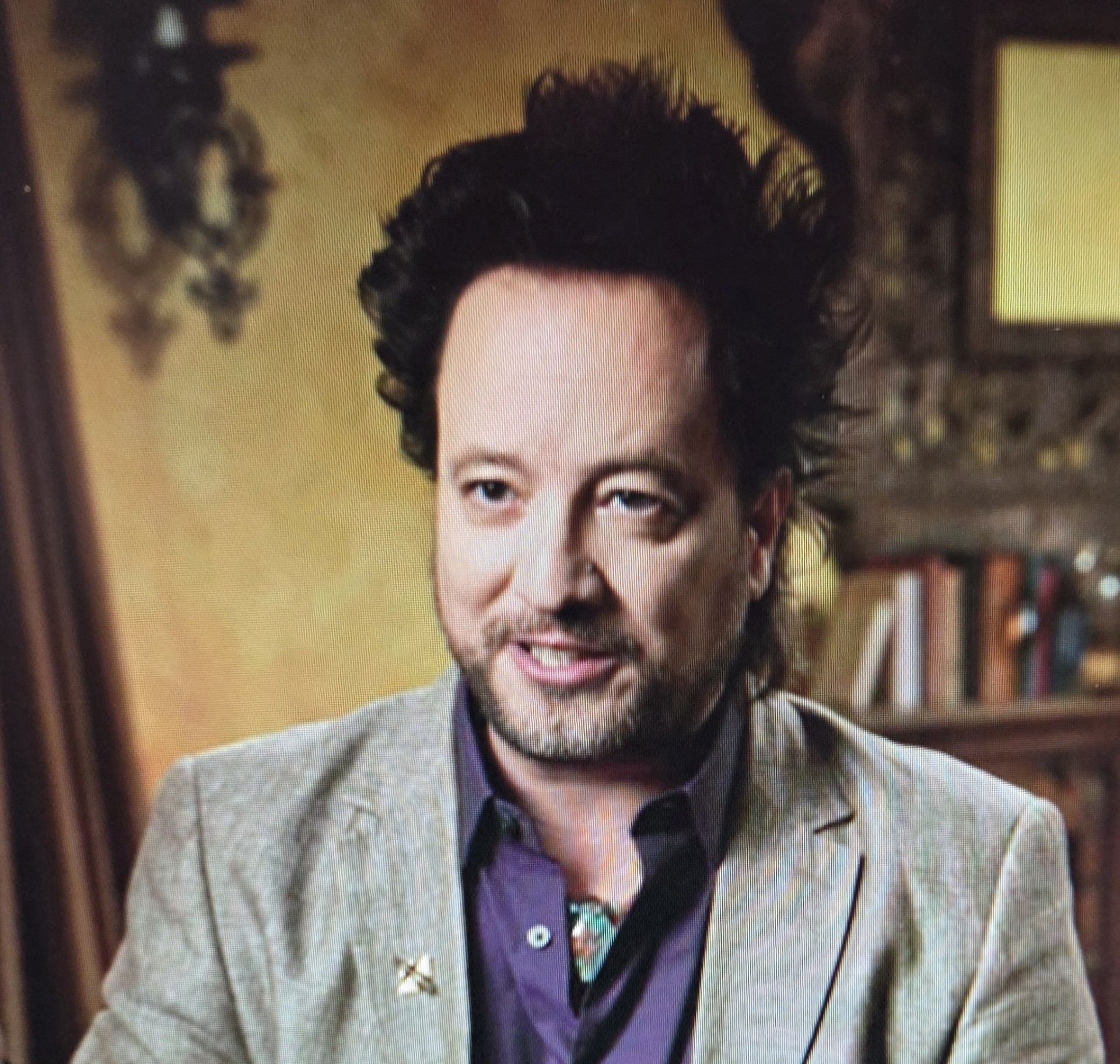
And that’s it for now. Stay tuned for part 2!!
M.
 VampirePlacebo * Mel's Entertainment Page